CONCERNS FOR THE PUBLIC'S HEALTH

SPECIAL TO FEDERAL SIGNAL CORP EVIRONMENTAL PRODUCTS GROUP

JANUARY 2006

"Why are we so concerned about clearing, cleaning and opening the thousands of clogged catch basins, manholes and storm sewers? Often it's the stuff you can't see that can make you sick or even kill you. It's now been over four months since the hurricanes devastated the area's infrastructure leaving debris, mold and mildew that are still everywhere. It's our job to help restore the neighborhoods to a safe sanitary condition. Of course, no one organization can do it alone; the task is far too immense. But all of us working together can do it," commented Project Manager Johnny Ortiz of Haas Environmental, Inc.

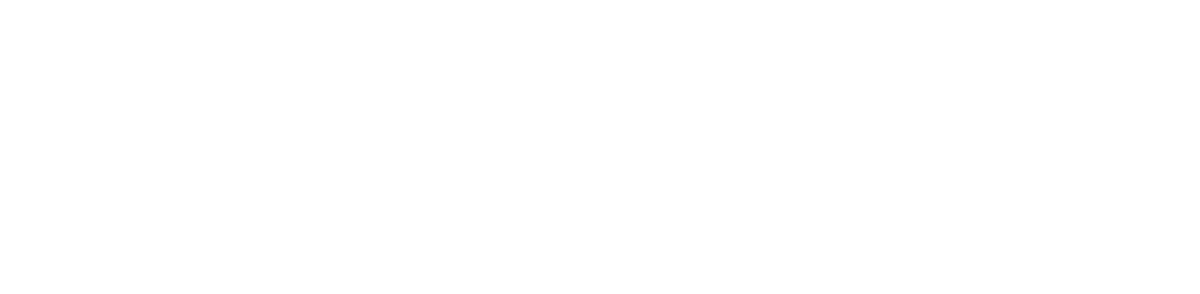
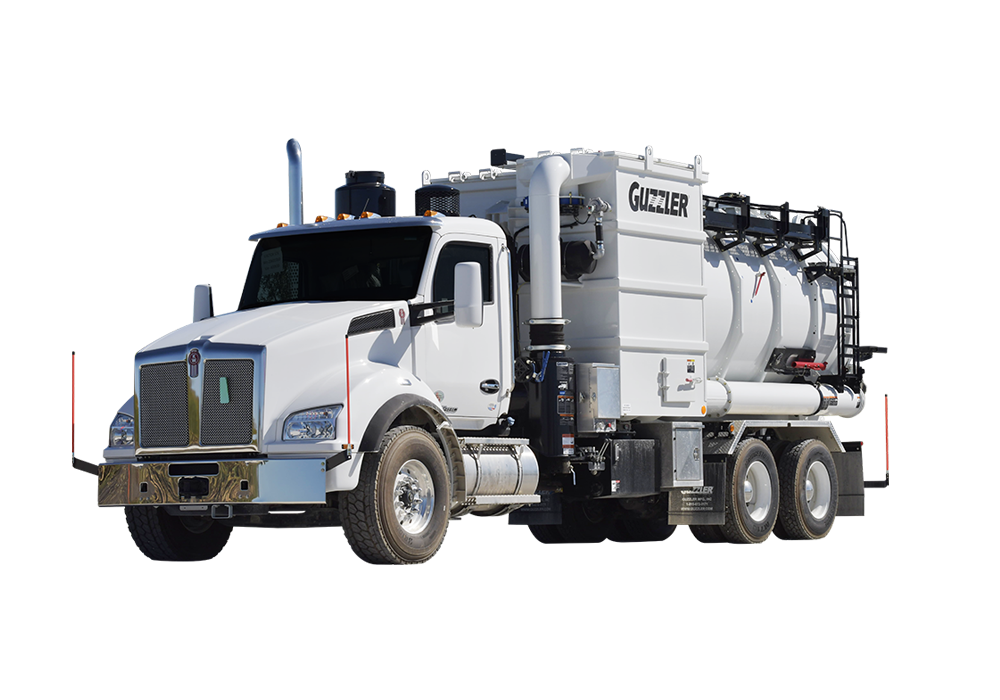
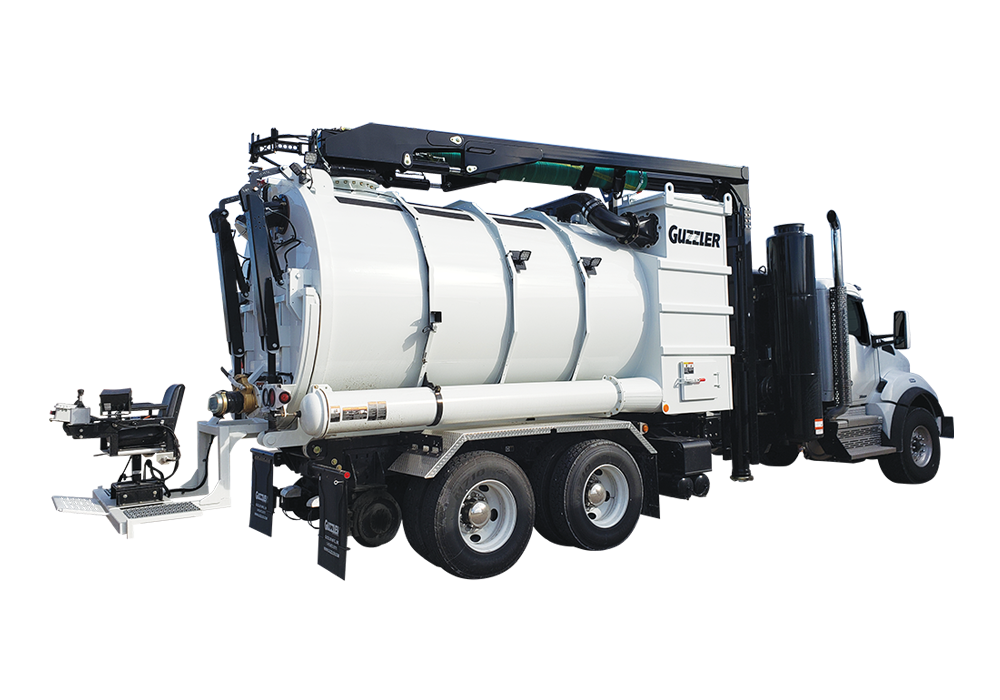
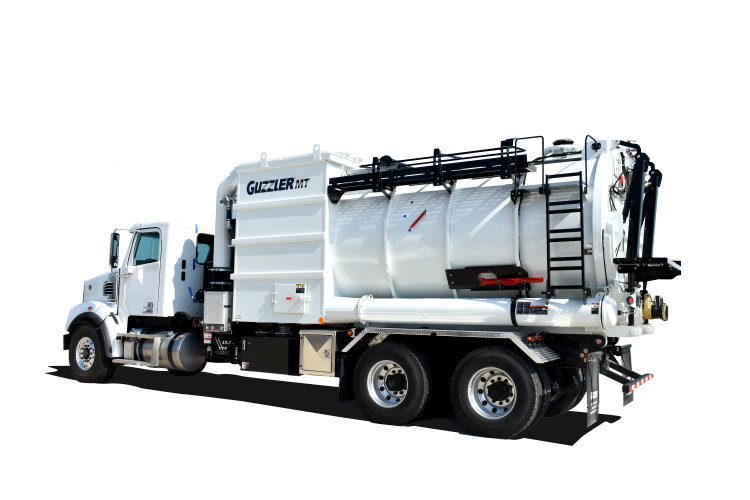
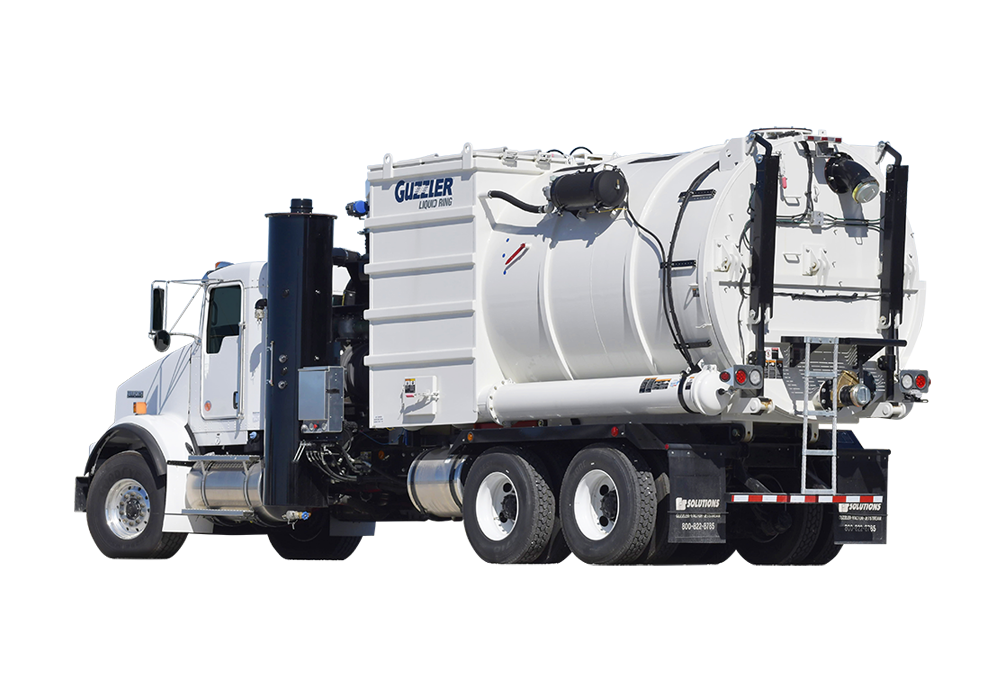
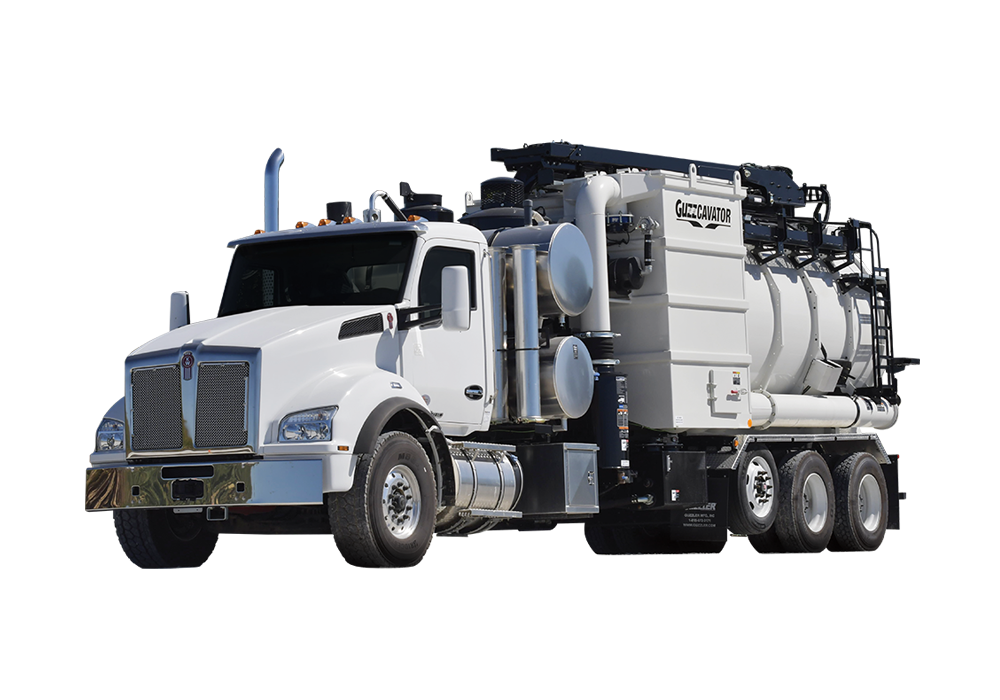
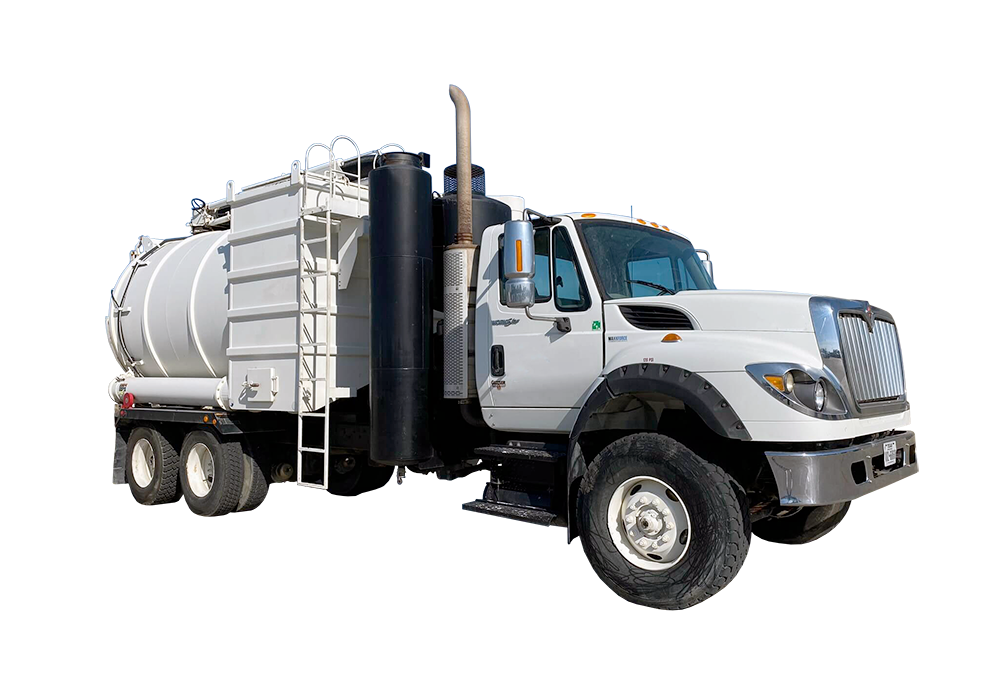
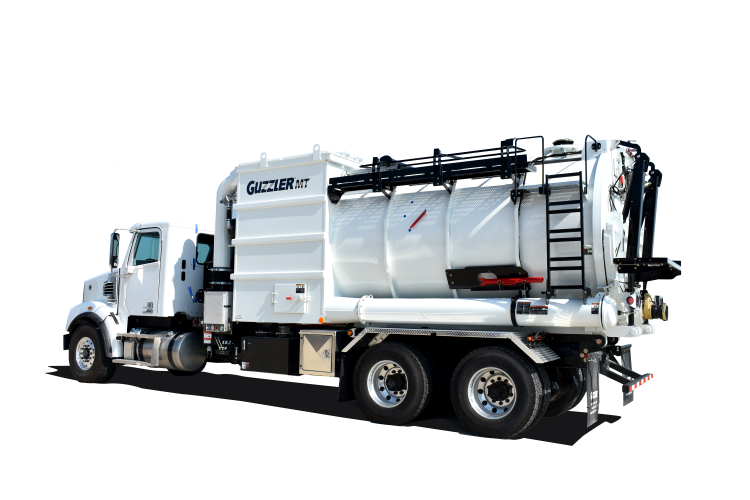
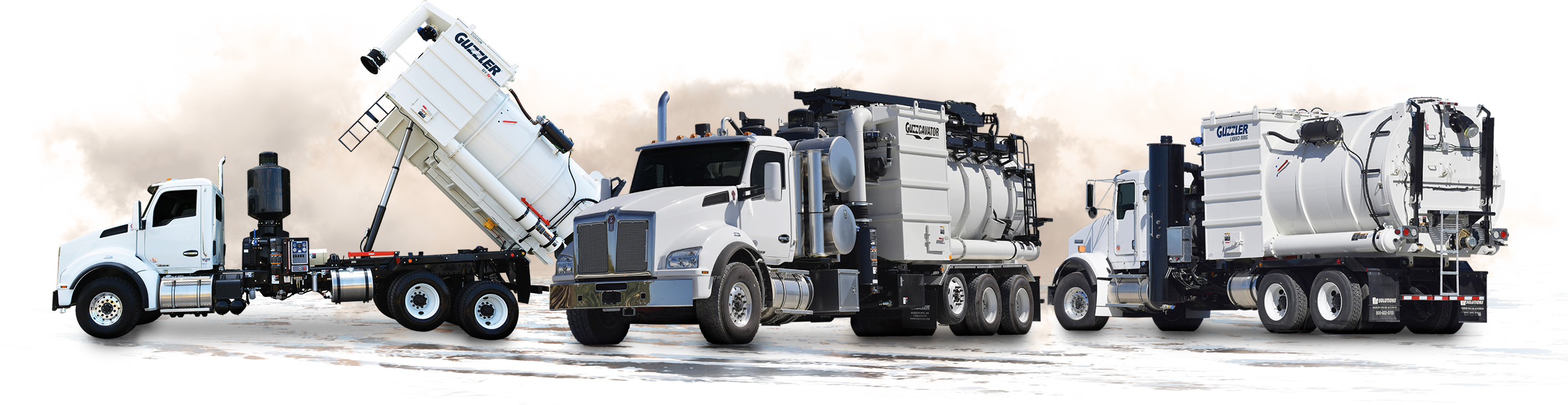
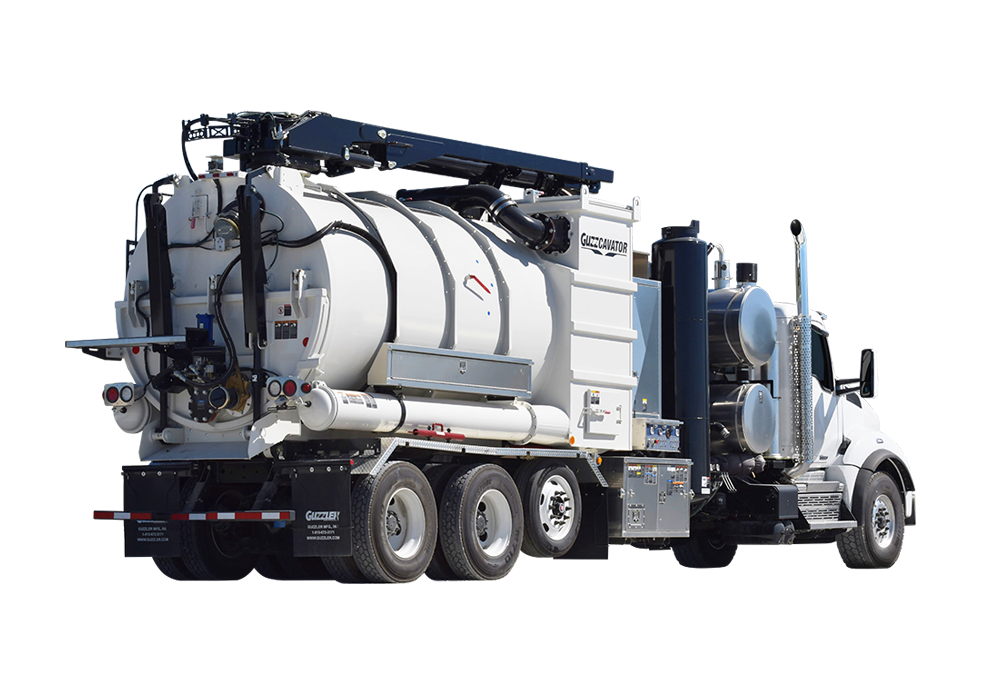
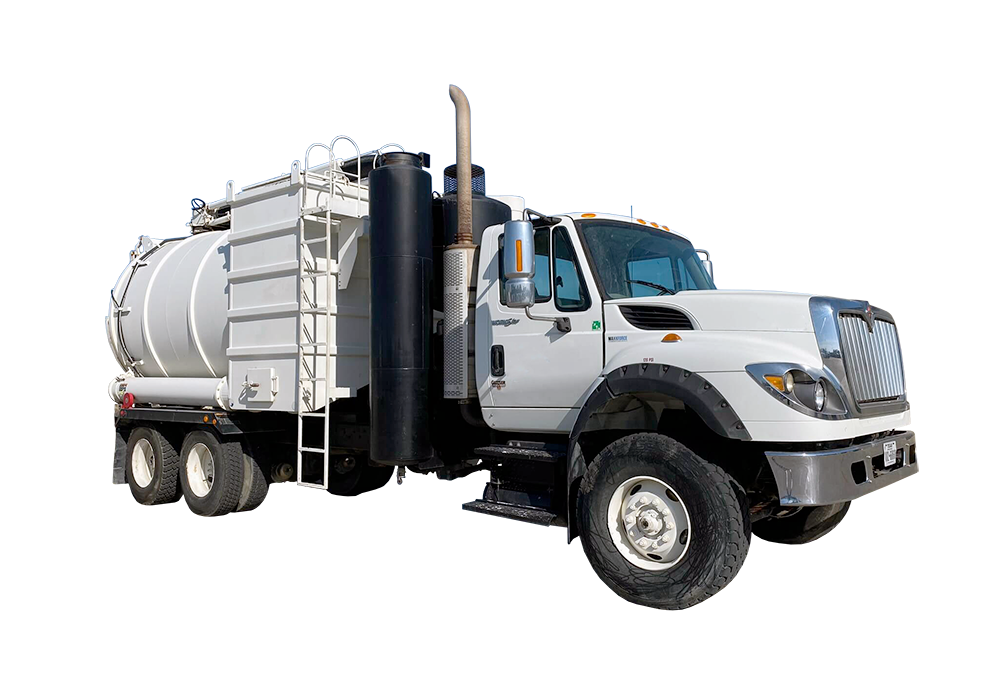
In the aftermath, devastation and cleanup from Hurricane's Katrina and Rita, the hundreds of Guzzler® and Vactor® air mover, liquid vacuum trucks and combination sewer cleaners were doing far more than just providing storm-related remedial recovery. The trucks, many produced by a division (Environmental Products Group) of the Federal Signal Corporation, provided desperately needed visible signs of hope to thousands of residents whose homes and businesses were destroyed by the 2005 hurricanes.

Katrina and Rita left billions of dollars of wreckage in their wake. Destruction ranged for miles along the American Gulf Coast from Florida, Alabama, Mississippi, Louisiana and Texas. The infrastructure was devastated. Many cities and towns, interstate highways, local streets, railroads, airports and bridges were leveled. The major shipping port of entry for tons of bananas coming from Central and South America was flattened. Gambling casinos, hotels, motels, apartment complexes, hospitals and nursing homes were left with only structural skeletons.

According to Regional Manager Donnie Reynolds, Environmental Rental Service (ERS) from Gonzales, La., supplied many of Federal Signal's Guzzler® and Vactor® trucks used by SoChem Services, Hass Environmental Inc., and others in the tempest devastated areas of Louisiana and Mississippi. They were providing visible hope to thousands of residents whose homes were severely impacted or destroyed by Hurricanes Katrina and Rita.

The hand-lettered sign on the wall of the office and staging area of Project Manager Johnny Ortiz perhaps said it all. In the exaltation to ‘Make It Happen," the word "Make" had been scratched out and replaced with the word "Made." It alluded to the fact that the crews of Haas Environmental, Inc. were making significant progress toward meeting their goal of helping to clear and clean the clogged and contaminated inlets, catch basins, manholes and storm sewers buried beneath the streets of the city of New Orleans, the town of Harahan and the Louisiana parishes (county) of Orleans, Jefferson and St. Bernard.

Haas Environmental is the main contractor for Magnum Construction Co, a local Louisiana-based contractor. It was from here that they dispatched as many as 50 special air, fluid and combination vacuum trucks and their crews. The crew of Linda Lambeth and John Mans estimated that, on a good day, using company-owned Vactor® equipment, they could survey, clean and document as much as a mile a day. Occasionally there were, however, those difficult days when less than a third of that amount of footage was cleaned.

Sochem Service's Manager of Operations, Mike Courville, said that his firm was one of the first to respond to the cleanup effort requests following the Hurricane's deadly impact on New Orleans and the surrounding areas. Their crews, also manning the ubiquitous giant trucks, were eventually doing far more, however, than just providing storm-related remedial cleanup.

Courville said that Sochem Service is a Louisiana-based industrial cleaning company headquartered in Gonzales, only 35 miles from New Orleans. They specialize in vacuuming, hydro-excavation and hydro-blasting, chemical cleaning, and chemical blending. Their services are offered almost anywhere in the United States.

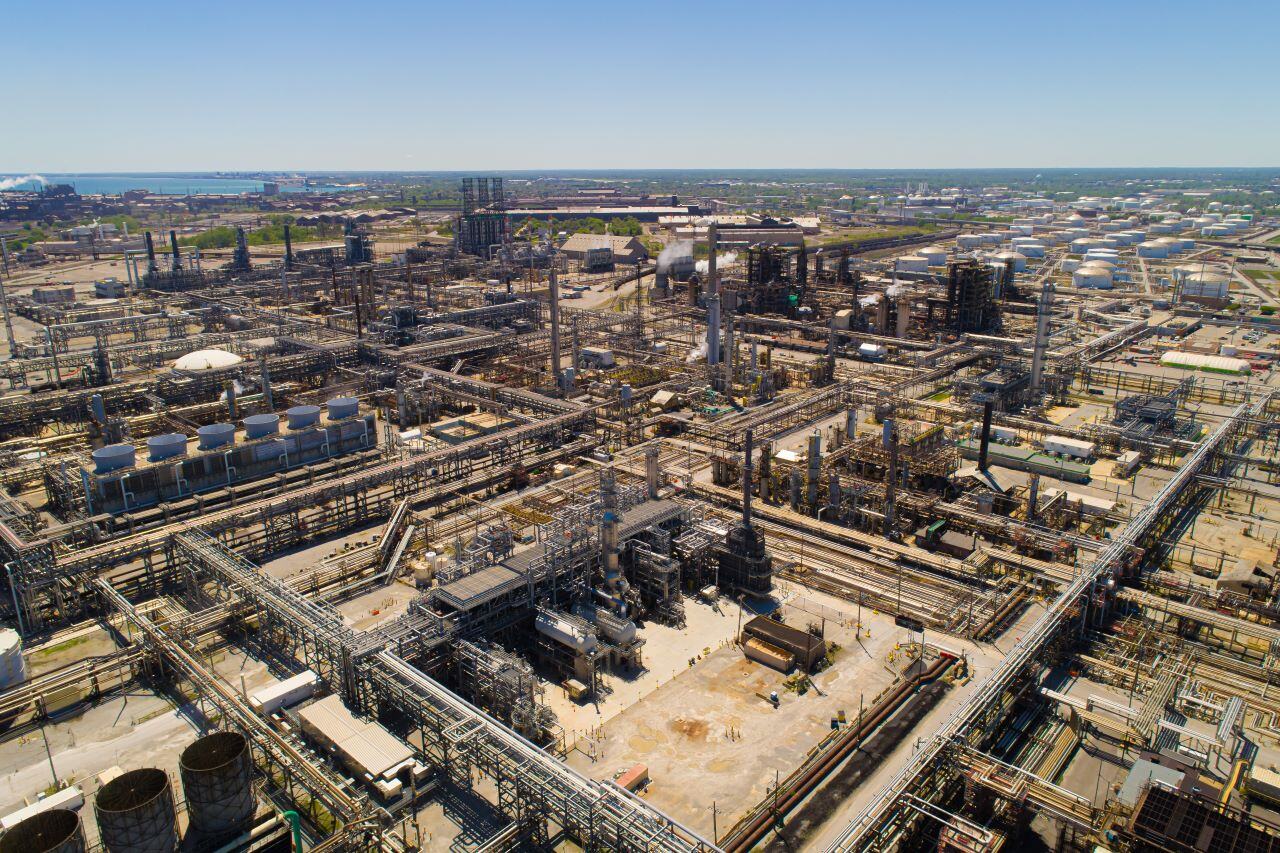
Of particular concern was an unanticipated one million gallon oil spill in Meraux, a town just outside New Orleans on the Mississippi River. Here oil mixed with floodwaters and sediment to submerge, destroy and contaminate over 1800 homes. Work here was cut back to 15 then to 10 hours a day, 7 days a week. Murphy Oil, which owns the refinery where the spill occurred, said that "several class action lawsuits were filed in federal court against the company seeking damages for residents of St. Bernard Parish."

The company said lawsuits, filed in the U.S. Court for the Eastern District of Louisiana, are seeking damages for residents living in parts which were covered in oil and sludge after the spill. The combination of sewage, chemicals, oil, sludge and other pollutants is an environmental disaster of epic proportions. No one knows what that toxic gumbo does to the human body when it's exposed at the same time.

Seven Sochem crews, outfitted in protective suits, boots, gloves and facemasks, had the unenviable task of chemical washing and decontaminating the homes with portable pressure sprays. As this was being done seven days a week, the fluids had to be immediately vacuum recovered and hauled to a disposal site for separation so as to prevent any further groundwater contamination. One of the ancillary problems the crews encountered was the presence of cotton mouth moccasin snakes.

"It's been a tough, troubling job. Some of the areas have been worse than others. We have found abandoned weapons (guns) and drugs while clearing some inlets and manholes. Just last week, four months after the first hurricane hit, people found four bodies trapped in a house. The storm sewer lines have been damaged in some sections of town, probably beyond repair. In the 9th Ward, for example, the flooding and devastation there has been so bad that most of the residence's homes will have to be torn down and rebuilt and the storm drain lines will probably have to be excavated and replaced totally before people can move back in," commented Mike Courville.

"Key among the Federal Signal trucks used by Sochem crews were the Vactor and Guzzler trucks. We actually depended upon some of these units in the heart of downtown New Orleans, including dewatering the basement garages at City Hall, the Civic Center and several major hotels. Even hundreds, if not thousands, of automobiles remained trapped as the waters began to rise making access difficult," he added.

It is imperative to note two other very important factors that impact Sochem's operations. The first of these is preventive maintenance. According to Mike Courville this is crucial to "having the trucks available 24-7, when and wherever they are needed." The secret is to follow the factory specifications closely and add a little extra care just to make sure. This includes constant monitoring the tires for nails. Literally, the trucks were running over thousands of them per day. The second objective, in addition to the emergency work brought about as the aftermath of the hurricanes is to keep uppermost in mind is that Sochem Services also had to continue to maintain their typical day to day services of their regular customers. Failure to do this and the company would shortly be out of business.