Industrial Vacuum Trucks Solve Municipal Problems
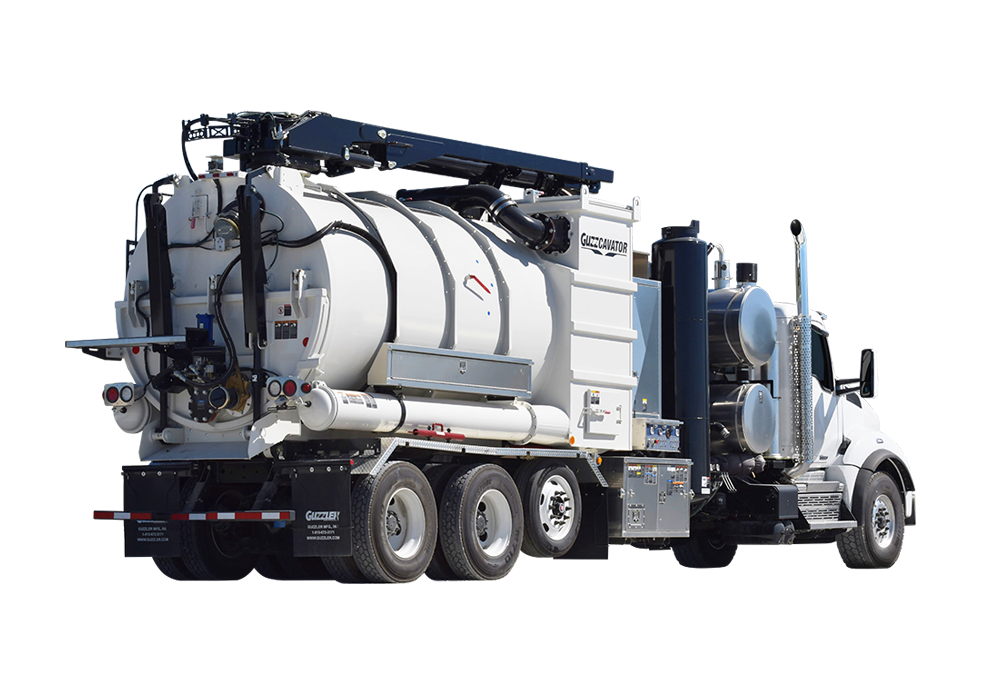
Say the words "vacuum truck," and most wastewater treatment facility managers conjure up images of sewer department vehicles. These combination machines are the most commonly identified vacuum systems in municipalities for a good reason. They come equipped with high-pressure water to blast through pipe obstructions, plus vacuum suction to remove debris, making them ideal for sewer applications.
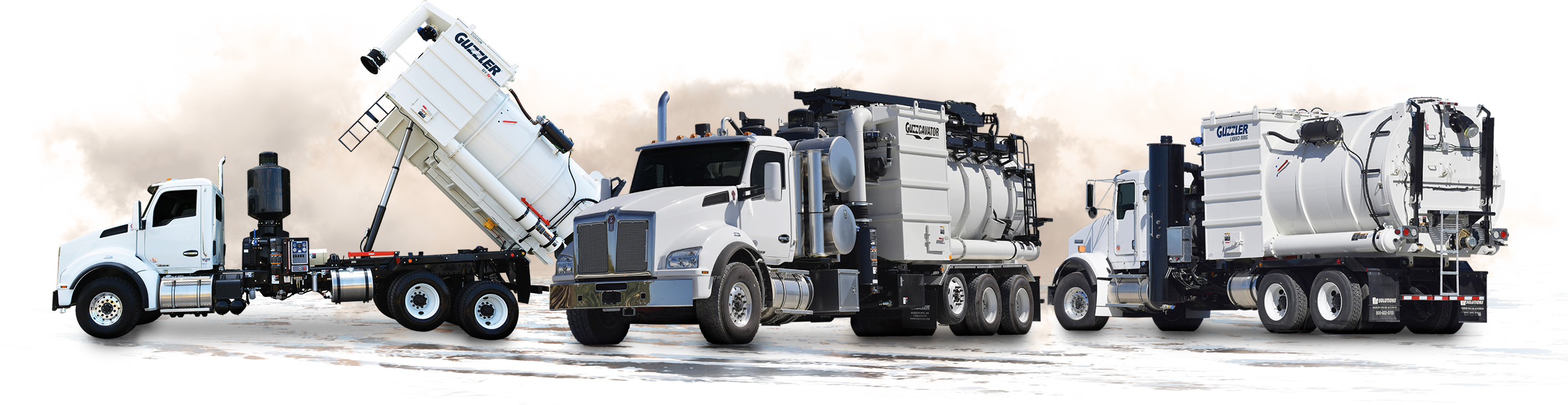
What most managers don't realize, however, is that industrial vacuum systems can also play a valuable role in wastewater treatment sludge applications. Both industrial vacuum loaders and industrial liquid trucks can perform a number of unique tasks beyond the capabilities of the combination machine.
The Industrial Difference
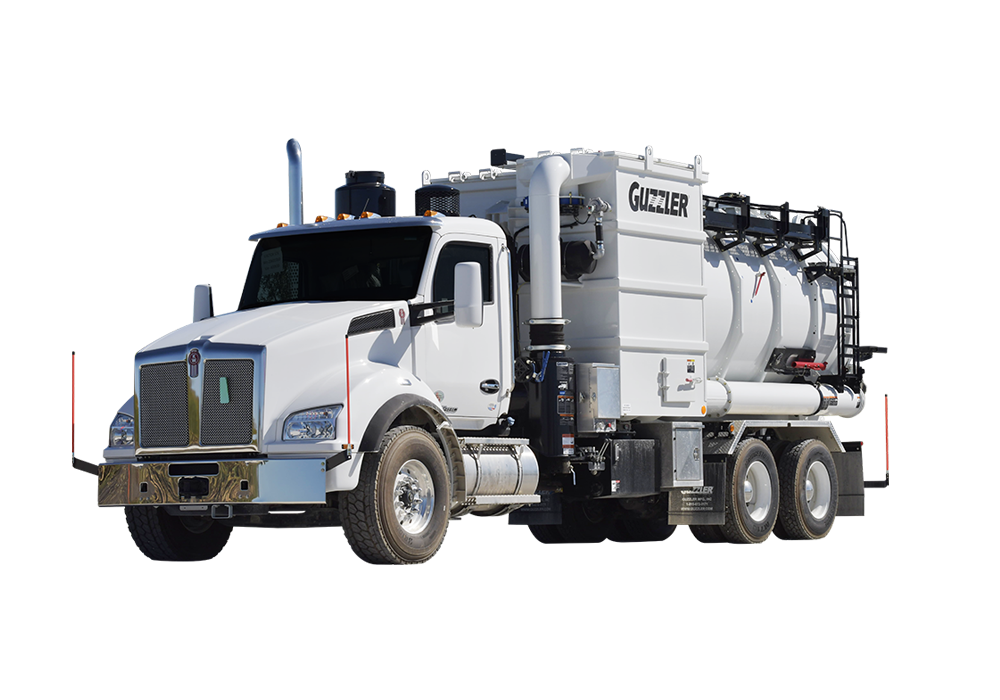
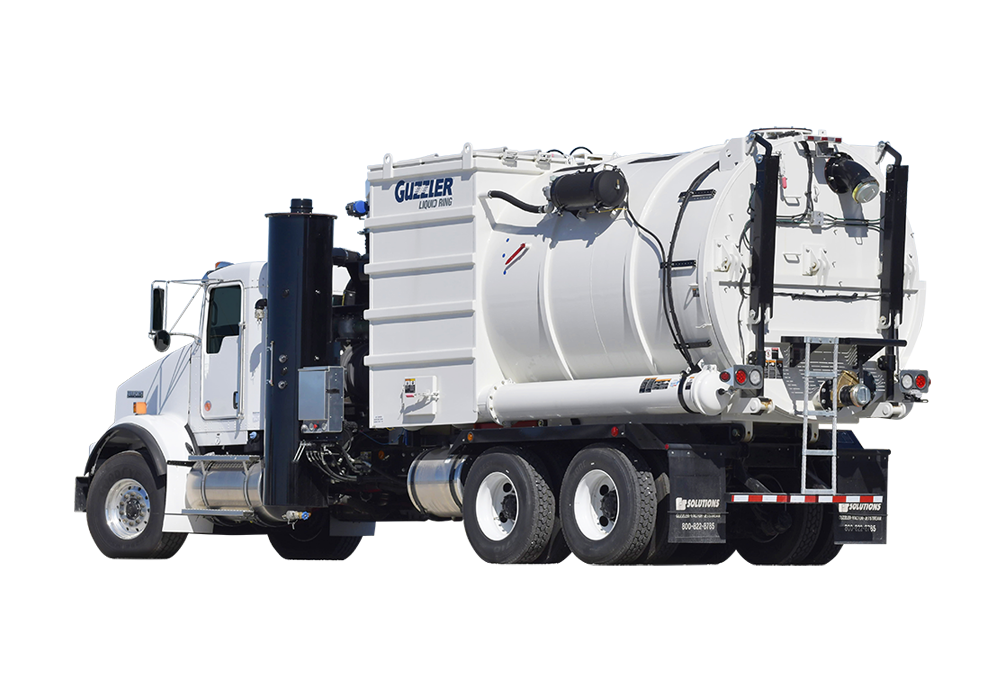
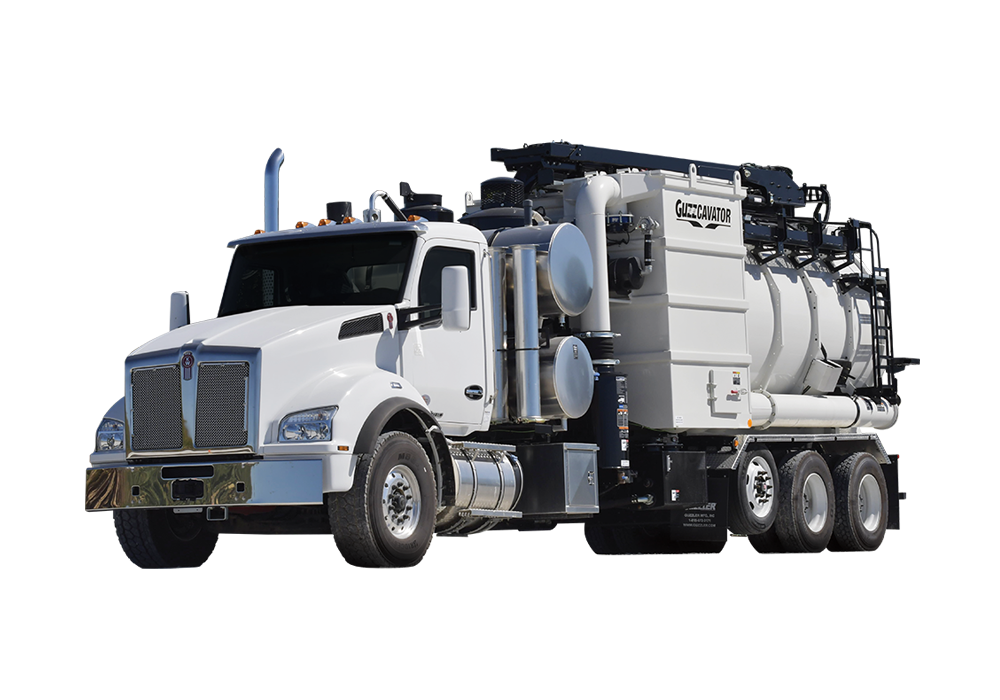
What exactly differentiates municipal and industrial vacuum trucks? The vacuum source. The majority of combination machines in service utilize centrifugal compressors, or fans, for vacuum, which have the ability to generate high air flows. Industrial vacuum loaders and industrial liquid trucks, on the other hand, commonly feature either positive displacement pumps or vane pumps. While these have relatively lower air flows, they create high vacuum levels which can be ideal for deep pulls and heavy sludge.
Municipal Applications
Municipalities can use the increased vacuum power to their advantage. One city, for example, employed an industrial vacuum truck during the clean-up phase of a digester repair project. Its job was to remove sludge under and around the clay aeration pipes-vacuuming the material a total of 120 feet which included a 40-foot vertical lift.
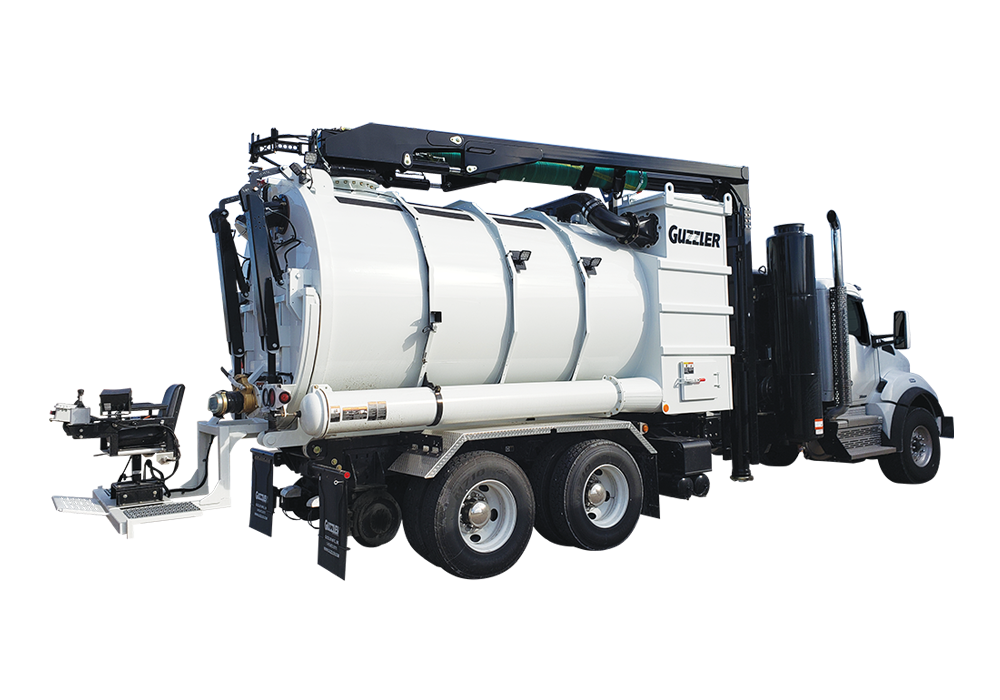
Because the truck had an on-board crane and a removable cyclone, it was positioned near a dump truck with the cyclone suspended over the bed. Equipped with double-acting slidegate valves that alternately closed and opened, the cyclone discharged material automatically on a continuous basis. This allowed the hose handler to vacuum without interruption. Loading and unloading simultaneously also saved a significant amount of time compared to manual and batch processes that require shutdown during dumping.
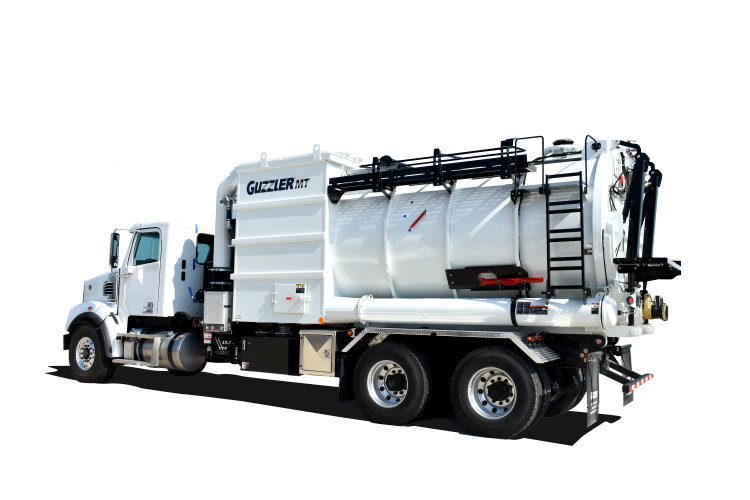
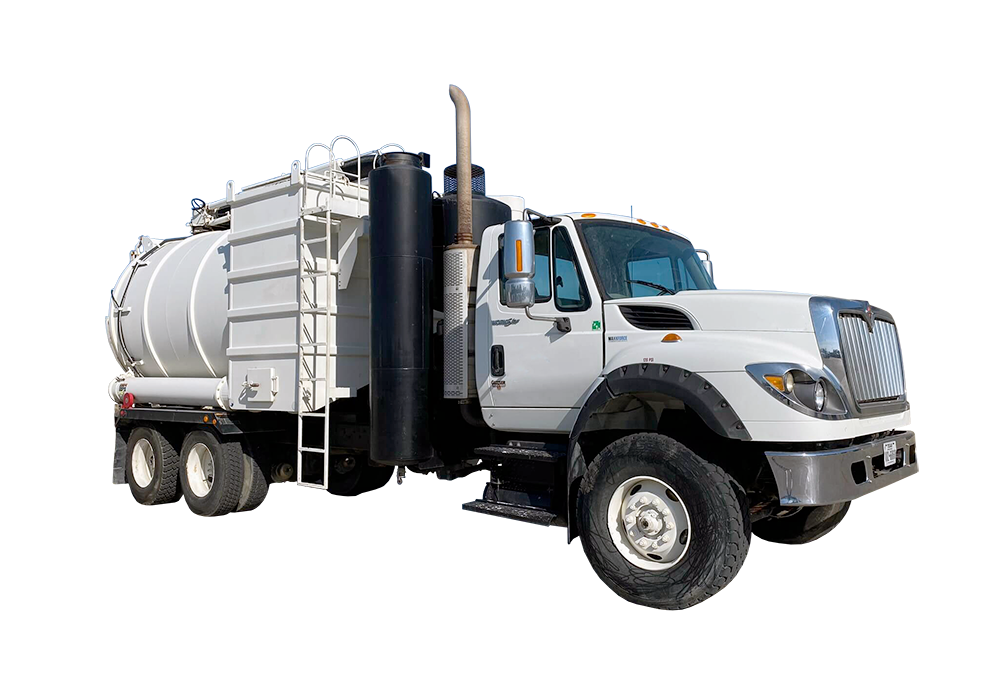
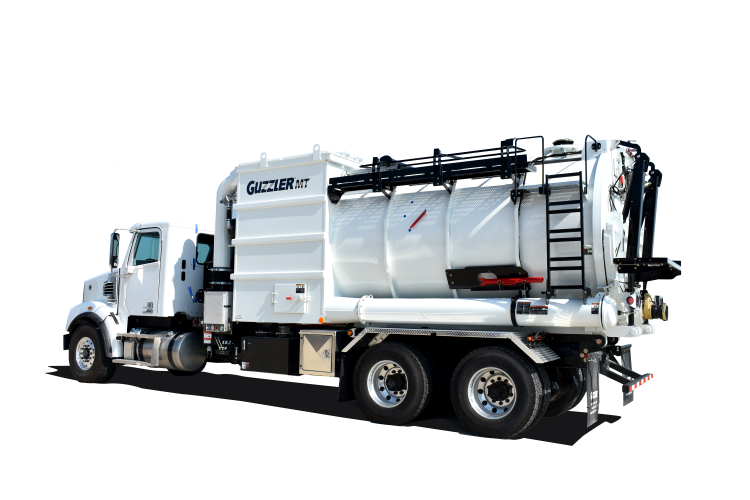
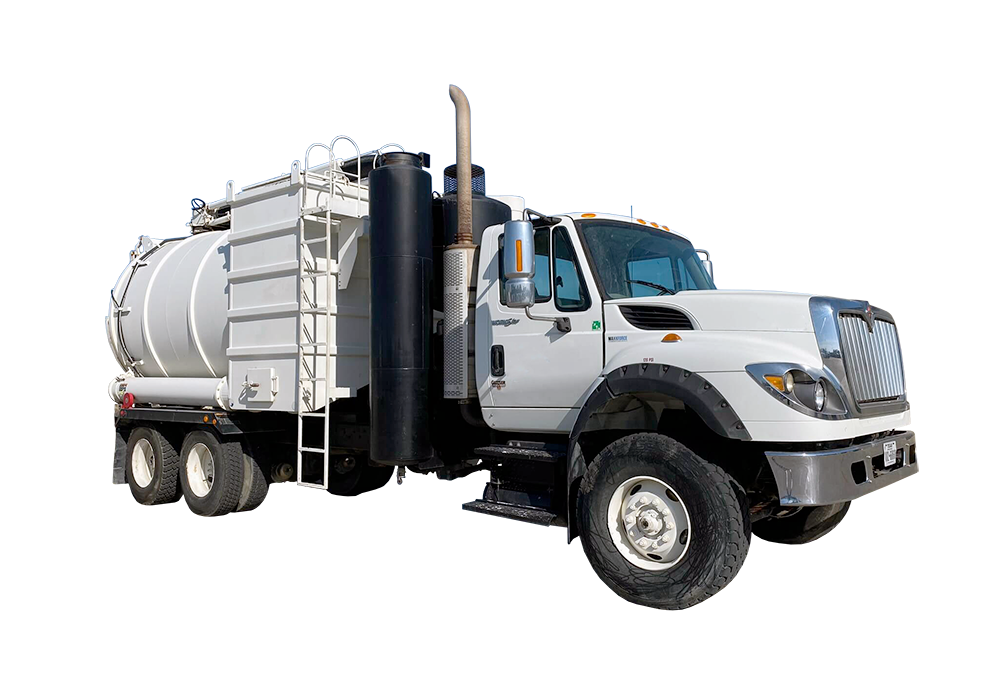
Another municipality used a liquid vacuum truck (LVT) to transfer sludge to drying beds. Like all LVT's this one was specifically designed for pressure unloading. The discharge valve rigged with a special fan nozzle that sprays material when the valve is opened and the tank is pressurized-ensured thorough and rapid sludge transfer.
An LVT was also put to use as a temporary by-pass system. Over time, the methane from sludge had deteriorated a section of infrastructure pipe in a wastewater treatment plant. To repair the damaged pipes, the sludge was temporarily re-routed through the truck at 1200 - 1500 gallons per minute.
A Cost-Effective Solution?
Despite these applications, the expense of a truck dedicated to the wastewater treatment plant is simply out of reach for most municipalities. But because industrial machines are versatile, a city can order a system configured to serve multiple purposes, thereby spreading the cost among many departments. For instance, a liquid vacuum truck can be used for transporting sludge or cleaning catch basins, sludge tanks and digesters. The same system, built to DOT 407/412 standards and certified by ASME, can also double as an emergency spill response unit for the fire and rescue department.
The key is interdepartmental planning and cooperation. Working together with the help of a manufacturer's representative, city departments will find that an industrial vacuum system is a cost-effective and innovative solution for a wide range of municipal problems.