Vacuum Truck Minimizes Setbacks In L.A. Harbor Tunneling Project

Though unique in a host of ways, microtunneling projects share many commonalities with other construction-based jobs. A project can be moving along smoothly, for example, then take an inexplicable turn for the worse; it's happened and will seemingly always happen when least expected. Reacting quickly and effectively when such unfortunate circumstances occur, is the hallmark of companies that are at the top of their game. For Westcon Microtunneling, a recent major setback in a high-profile project — a blow-in which filled a nearly-complete tunnel with sand — was quickly addressed. Doing so allowed the company to demonstrate its resourcefulness and showed why the firm is one of the best at what it does.

Going Deep in L.A.
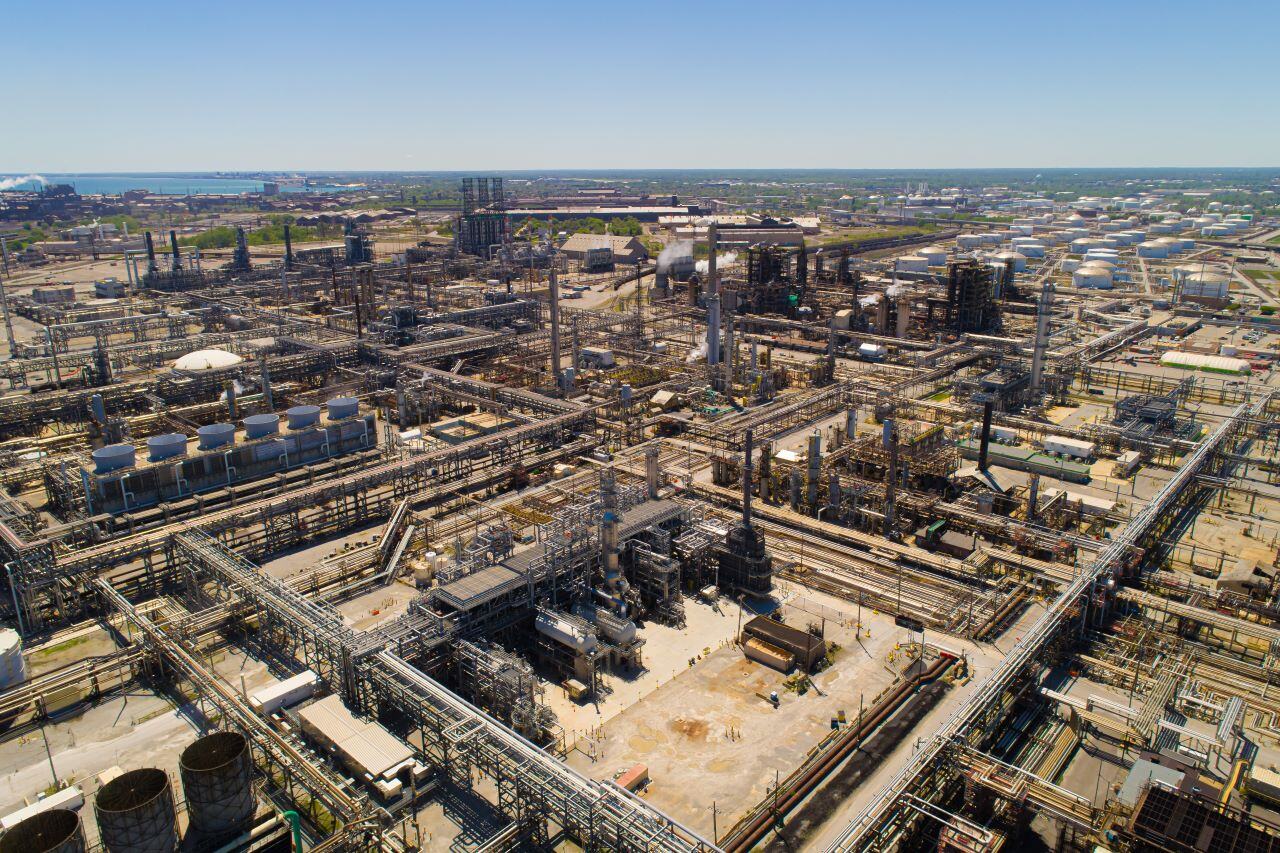
The focal point for the loading and offloading of more than five million cargo containers in 2001, the Port of Los Angeles is easily the nation's busiest port. A need to handle the continuing upward spiral in cargo volume, coupled with an ability to take in larger cargo vessels, led the Port of Los Angeles' Planning and Research Division to seek — and gain approval for — the Port of Los Angeles certified Port Master Plan. The plan calls for the deepening of the Inner Harbor channel to a depth of 53 feet and the North Channel down to 55 feet. That proposed dredging prompted the need to move existing sewer and power lines which were, at the time, buried 60 feet below the water's surface to a new depth of approximately 87 feet. According to Roger Ellis, project manager for Pleasant Grove, Utah-based Westcon Microtunneling, the new tunnels slated to handle the utilities would be constructed in two locations, about 1/4-mile from each other.

"The main project, named the San Pedro Force Main and Siphon Relocation, was fairly basic from a microtunneling sense, and an ideal fit for our services," he says. "For the tunnel, we drilled an 18-foot diameter shaft down 100-feet on the main side of the port and a 13-foot receptor shaft on the other side of the channel — nearly 1600 feet away — in preparation for our Soltau tunneling equipment. We cryogenically froze the ground in order to ensure the stability of the vertical shafts during excavation and to benefit from the frozen ground's ability to shore up the shaft. The core of frozen ground extended back ten feet from the walls of the shaft."

Unwelcome Surprise
Project specs called for 51-inch diameter pipe to be jacked in at 10-foot lengths. The jacking capacity of the Soltau unit was 680 tons and the line and grade tolerances were ± 1-inch on grade and ±2-inch on alignment. The resultant tunnel would house a new 30-inch diameter sewer pipe that would connect with existing sewer lines on either side. Ellis says the project was moving along nicely and the tunneling unit was about seven feet from the receptor shaft when water and sand quickly began flowing into the newly-bored tunnel.

"We are still not certain what caused the blow-in," he says. "We only know the shaft filled rapidly with sand and water and we were faced with a serious situation. Fortunately, microtunneling is essentially a remotely-controlled operation, so no one was placed in any danger. However, once the dust had settled, so to speak, we had to come up with a way to clear that tunnel of the sand so we could complete the project. One possibility, of course, could have been to manually remove the material in buckets. Obviously, that would have been an extremely slow and cumbersome process; it was not even a serious consideration. We needed to do more and do it faster."

A Long Way to Go
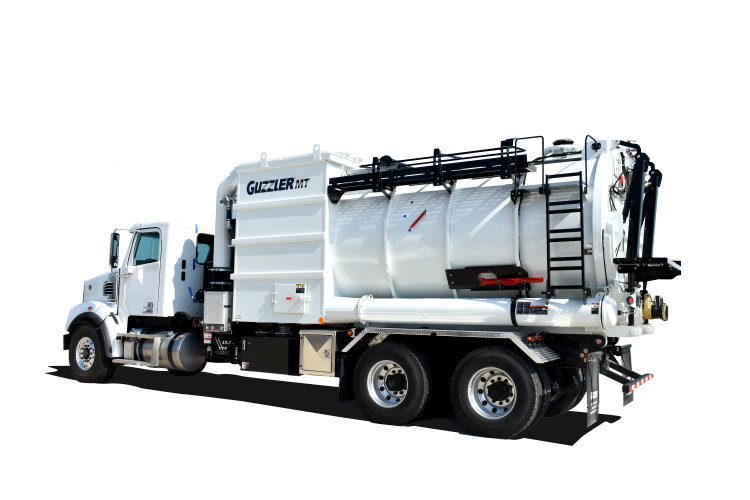
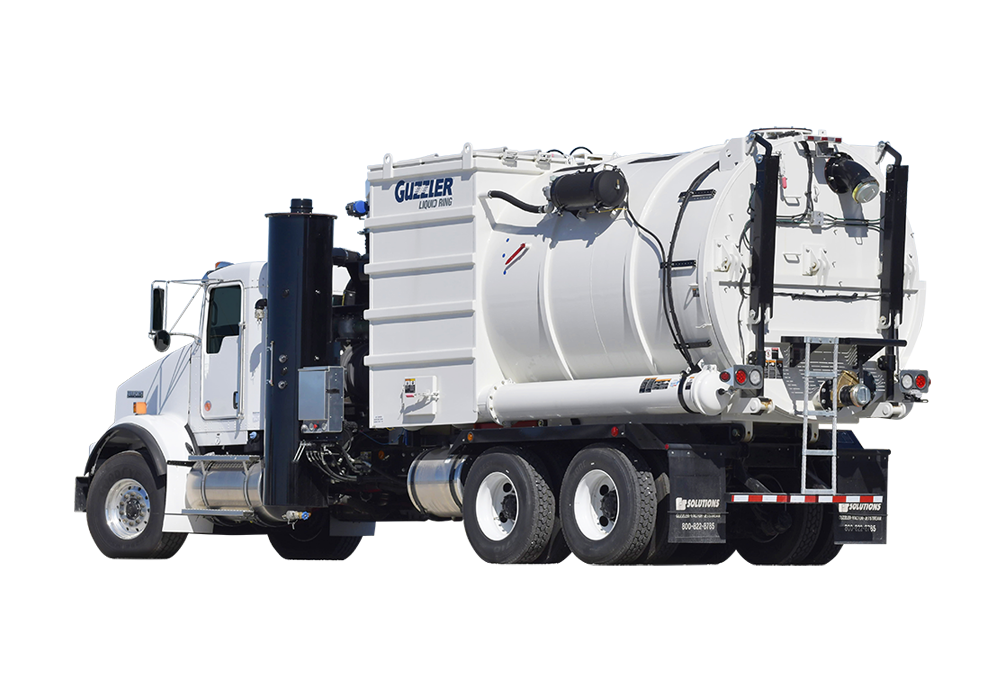
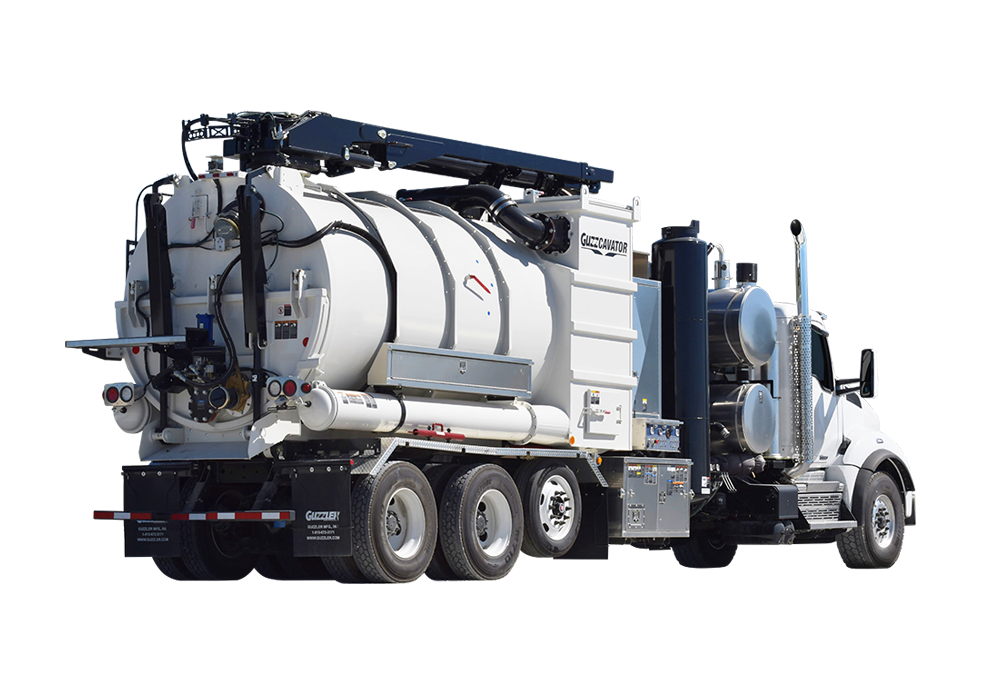
Ellis says they use a Guzzler vacuum truck of their own in other facets of their operation — mostly for cleanups — so that immediately came to mind as an alternative. He doubted, however, that theirs would be powerful enough to handle the job. They thought a heavier-duty vacuum unit than what they had could be the answer they needed.

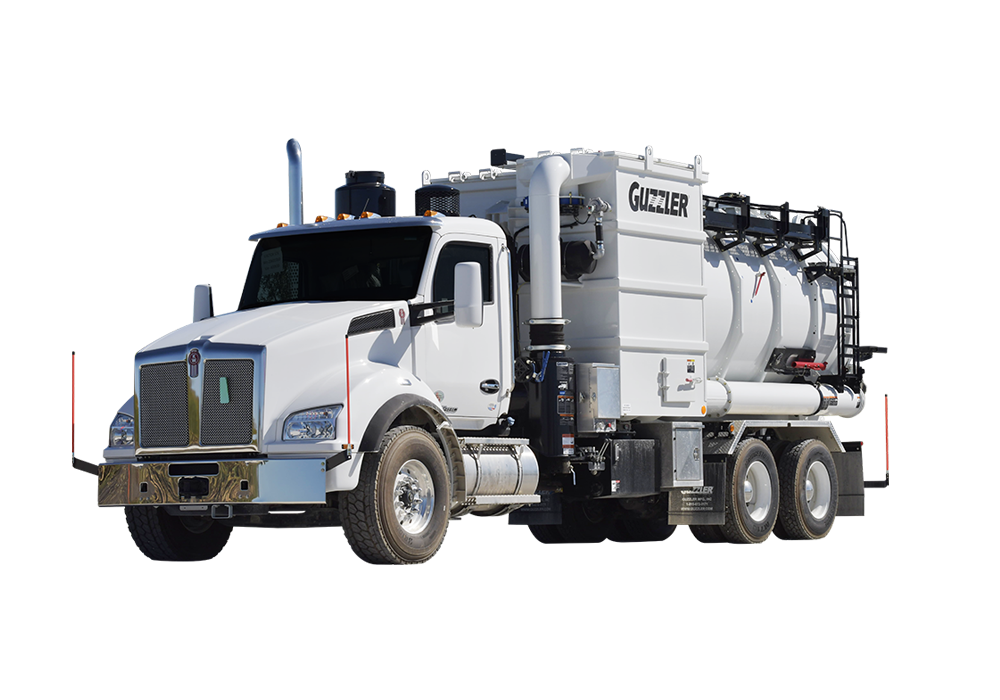
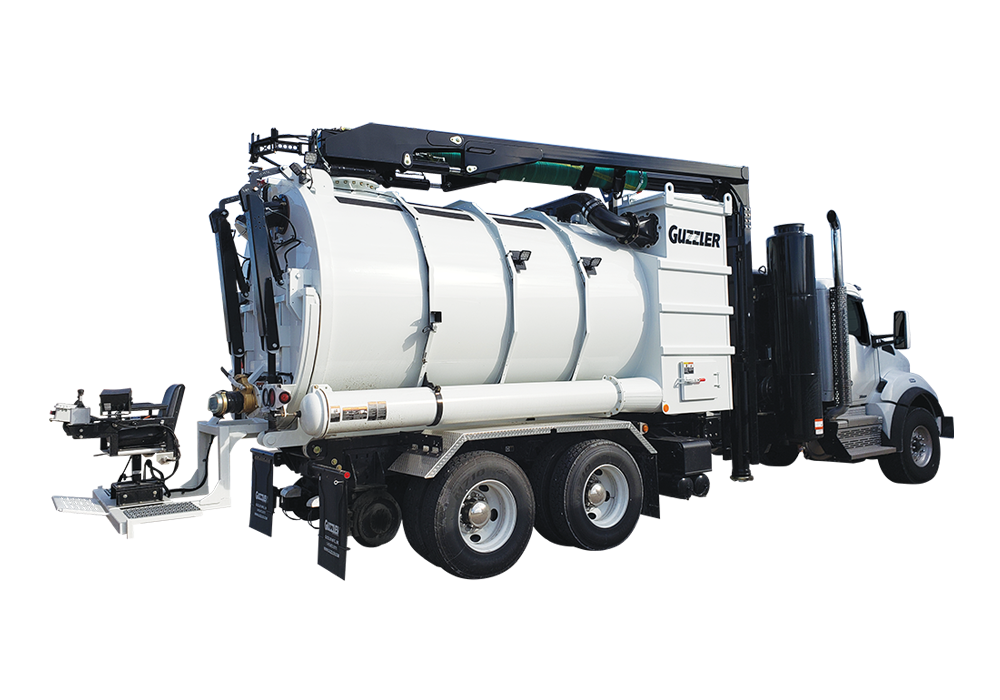
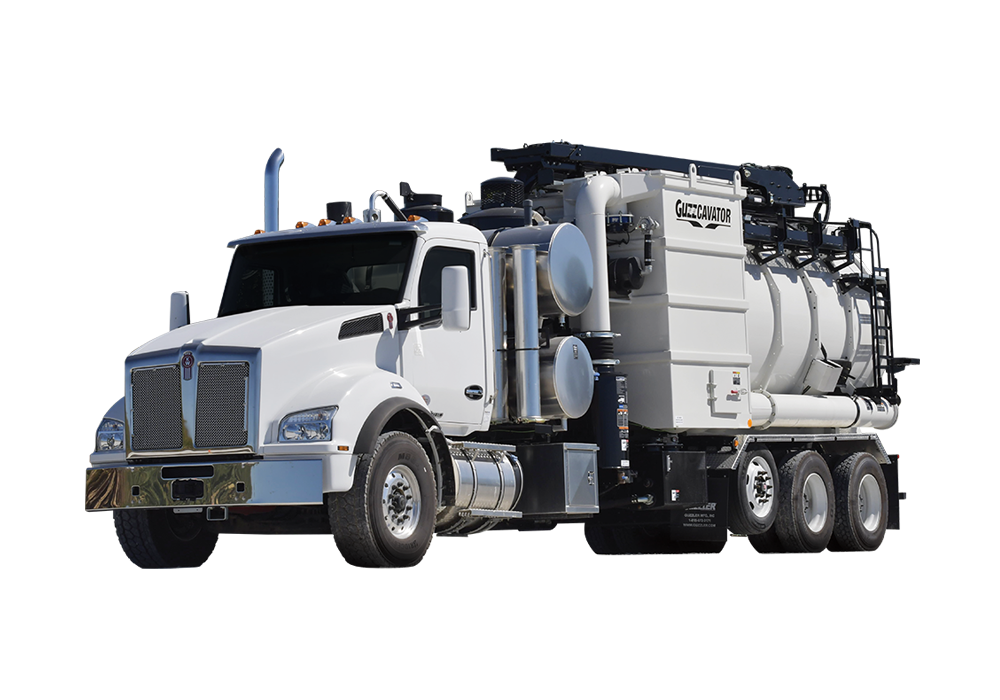
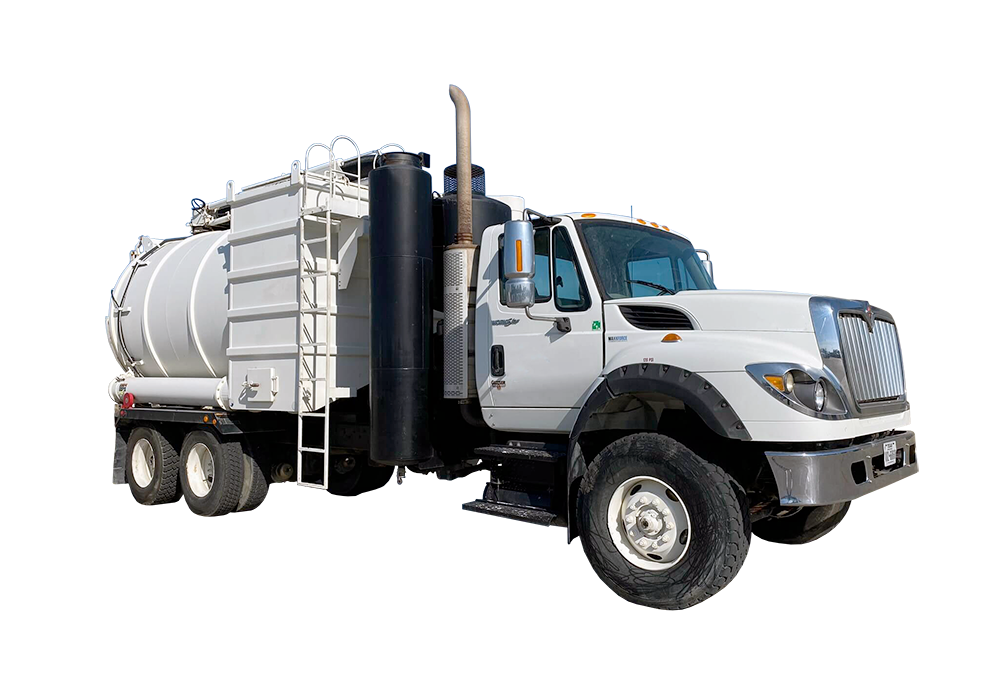
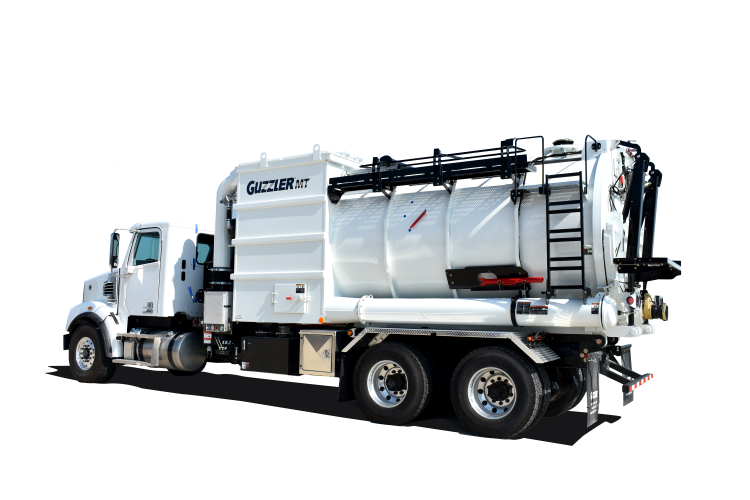
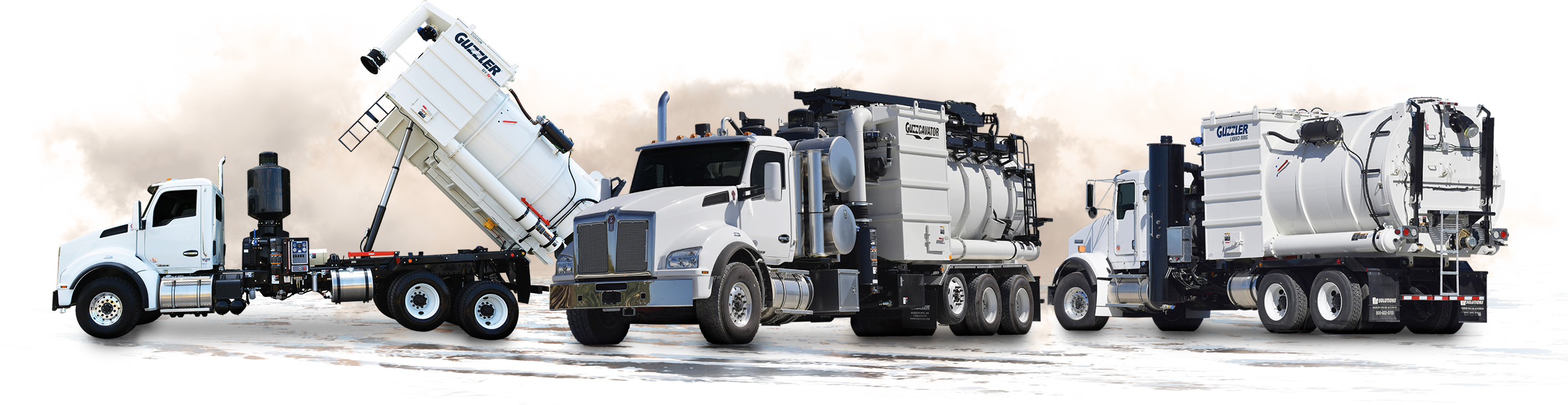
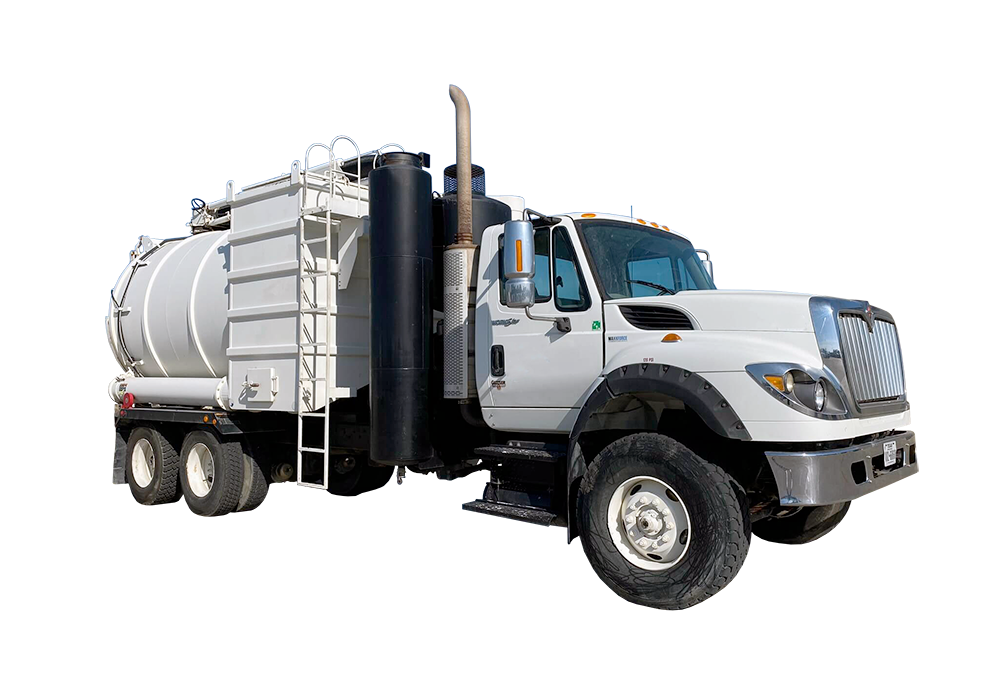
"These are some extremely powerful and versatile machines," he says, "but we needed something that could pull extremely heavy material from nearly a third of a mile away . We contacted a local firm, Signal Hill-based Americlean, Inc., which owned a Guzzler Dual Filter ACE vacuum loader, one of the larger units available today, and they came on board. The results were impressive right from the outset."

In order to give the sand more manageable properties, Westcon and Americlean opted to pump water into the tunnel creating a sand/water slurry which could then be vacuumed out. Six-inch diameter pipes carry water in and the slurry out to the Guzzler unit.

In addition to the fact that the Guzzler unit had the power to pull the material the distance needed, it was also chosen for its payload capacity of 18 cu. yds. The larger capacity meant the unit would have to be emptied less frequently, thereby minimizing disruptions to the cleanup efforts. That particular unit also features cylindrical components, including round dump tubes and tank which helped ensure complete material discharge at each empty.

"We've handled some unique cleanups in our time," says Daniel Maltais, Americlean's vacuum equipment supervisor. "This one certainly put our equipment to the test — in terms of distance and heaviness of the material — and we think it passed with flying colors. For us the process is fairly simple: we pull the slurry from the tunnel into our truck and once the debris tank is about three-quarters full we simply raise the tank and dump the slurry to a holding pond situated alongside the main shaft. Water is pumped from the retention pond and reintroduced to create new slurry, which is again vacuumed out and so on. The abrasive nature of the slurry passing though the elbow section of the hose initially presented a problem but we switched to a different, more durable material and haven't had a problem since."

Minimizing the Setback
The San Pedro Force Main project is on a fairly tight time frame — having started in January of 2002 and slated to wrap up by March of 2003 — so any setback certainly has to be viewed as critical. However, Westcon's Ellis says the fact that several factors played a key role in minimizing that impact.

"A situation like this could have been a major setback for us. As it is, when all is said and done, it will probably have cost us about three months. However, without the use of the Guzzler unit, that would have easily been five to six months of lost time — and that would not have been acceptable to anyone. The combination of our ability to react quickly with a plan, Americlean's ability to respond quickly to our needs, and the vacuum equipment's solid performance, have made an potentially serious occurrence a manageable setback. We'll take that anytime."